CONSENT · DE-IDENTIFY · LICENSE
Privacy and ethics
Build consent, de-identification, access control and licensing scope into the workflow, so sensitive corpora are delivered with an auditable compliance trail.
Deliverables
- Ethics review materials and consent drafts
- De-identification procedure and operation records
- Data licensing and usage notes
- Data management plan (DMP)
- Service module
- 05 / 05
- Deliverables
- 4 items
- Process stages
- 4 steps
- Quality verification
- Batch-level
01 / Service scope
What we actually do
Each capability can be switched on as a standalone module or combined into a full delivery chain.
Ethics review support
Prepare review materials and work alongside institutional IRB processes and follow-up clarifications.
Consent design
Tiered consent, proxy consent and withdrawal mechanisms, with auditable text.
De-identification
Remove or transform direct identifiers while keeping a controlled mapping record.
Access and minimization
Role-based access, collecting only what the research question requires.
Licensing and scope
Separate research, commercial and secondary use, written into the delivery agreement.
02 / Workflow
How it moves forward
Every stage has defined outputs and checkpoints, so progress and risk surface during the work rather than at acceptance.
- 01W1
Compliance assessment
Identify data categories, risk levels and applicable regulation.
- 02W2
Ethics and consent
Prepare review materials, consent text and the withdrawal flow.
- 03W3
De-identification
Process identifiers to the agreed rules and record the operator and batch.
- 04W4
Licensing and delivery
Confirm permitted scope, retention period and secondary-use terms.
03 / Service notes
Who it is for, and how to begin
What we do
Compliance is not a stamp applied before delivery; it is a constraint that starts with the study design. We help projects write consent, data minimization, de-identification, access control and licensing scope into the protocol, and leave an auditable record at every step.
The scope covers ethics submission and institutional liaison; consent text and withdrawal mechanisms; a personal-information inventory at the collection site; de-identification and pseudonymization; data classification and access roles; and licensing and usage terms. For children, patients and employees we add proxy consent, setting restrictions and secondary-use clauses by default.
Consent is treated as a design artifact. A good consent form states what is recorded, in which setting, for which study, for how long, and what happens if the participant changes their mind. We draft the text with the research team, then test whether a participant can actually understand the choices, because consent that is signed but not understood does not survive an audit.
The earlier compliance enters the conversation, the cheaper it is. Adding consent scope after collection usually leaves only two options: narrow the permitted use, or collect again. Neither is attractive, and both are avoidable.
Who it’s for
Projects that handle sensitive data: medical and mental-health research, longitudinal studies of child language development, classroom and workplace audio-video recording, face and physiological signal capture, and corpus programs that need a clean boundary between research licensing and commercial licensing. Organizations preparing for an ethics review, or cleaning up a dataset collected before a review, are also a fit. We also work with organizations that already hold a corpus and need to know whether it can support a new use case, such as secondary analysis or a model training program. That is often a documentation problem more than a legal one, and it is usually solvable without new collection.
How it works
- Compliance assessment. Identify data categories, risk levels and applicable regulation.
- Ethics and consent. Prepare review materials, consent text and the withdrawal flow.
- De-identification. Remove or transform direct identifiers and record the operation.
- Licensing and delivery. Confirm permitted scope, retention period and secondary-use terms.
Roles are assigned explicitly: who approves a use, who holds the mapping keys, and who signs off on destruction. Undefined ownership is the most common reason a compliance process stalls.
Delivery and verification
Deliverables include ethics review materials and consent drafts, the de-identification procedure and operation records, licensing and usage notes, and a data management plan (DMP). Every processing step has an operator log that traces to a batch and a person; cross-border transfer or third-party sharing gets a separate written note. For corpora kept long term we agree retention period, destruction method and audit cycle, so data does not remain in use after a license expires. Retention is scheduled rather than assumed, with a calendar entry for review and an audit trail if the period is extended.
How to get started
Bring compliance in at the proposal stage, where it is cheapest. Tell us the data subjects, settings and intended use, and we will map a feasible ethics and licensing path plus the items your institution needs to provide. Projects with data already collected can start with a compliance audit. A one-hour scoping call is usually enough to identify whether the project needs a full DMP or a narrow consent revision.
04 / Deliverables
What you receive
Deliverables are organized to be citable and reproducible: naming, metadata and verification records are complete, ready for analysis or archiving.
Deliverable 01
Ethics review materials and consent drafts
Deliverable 02
De-identification procedure and operation records
Deliverable 03
Data licensing and usage notes
Deliverable 04
Data management plan (DMP)
05 / FAQ
Common questions
If your question is not covered, contact us directly.
How is consent handled for children?
Guardian proxy consent is required, alongside the child's own assent where age-appropriate. Collection settings and secondary-use scope are described separately in the consent text.
Can individuals still be traced after de-identification?
Delivered data contains no direct identifiers. Where longitudinal matching is needed we use pseudonymous IDs and a controlled mapping table, stored separately with agreed access rules.
Can the data be used commercially?
It depends on the licensing scope. Research and commercial licenses are agreed separately, and commercial use requires the setting, term and fee arrangement to be specified in the agreement.
How is cross-border or third-party sharing handled?
We issue a separate note stating the recipient, purpose, transfer method and retention period, and assess the applicable regulatory requirements.
06 / Related datasets
Datasets delivered with this service
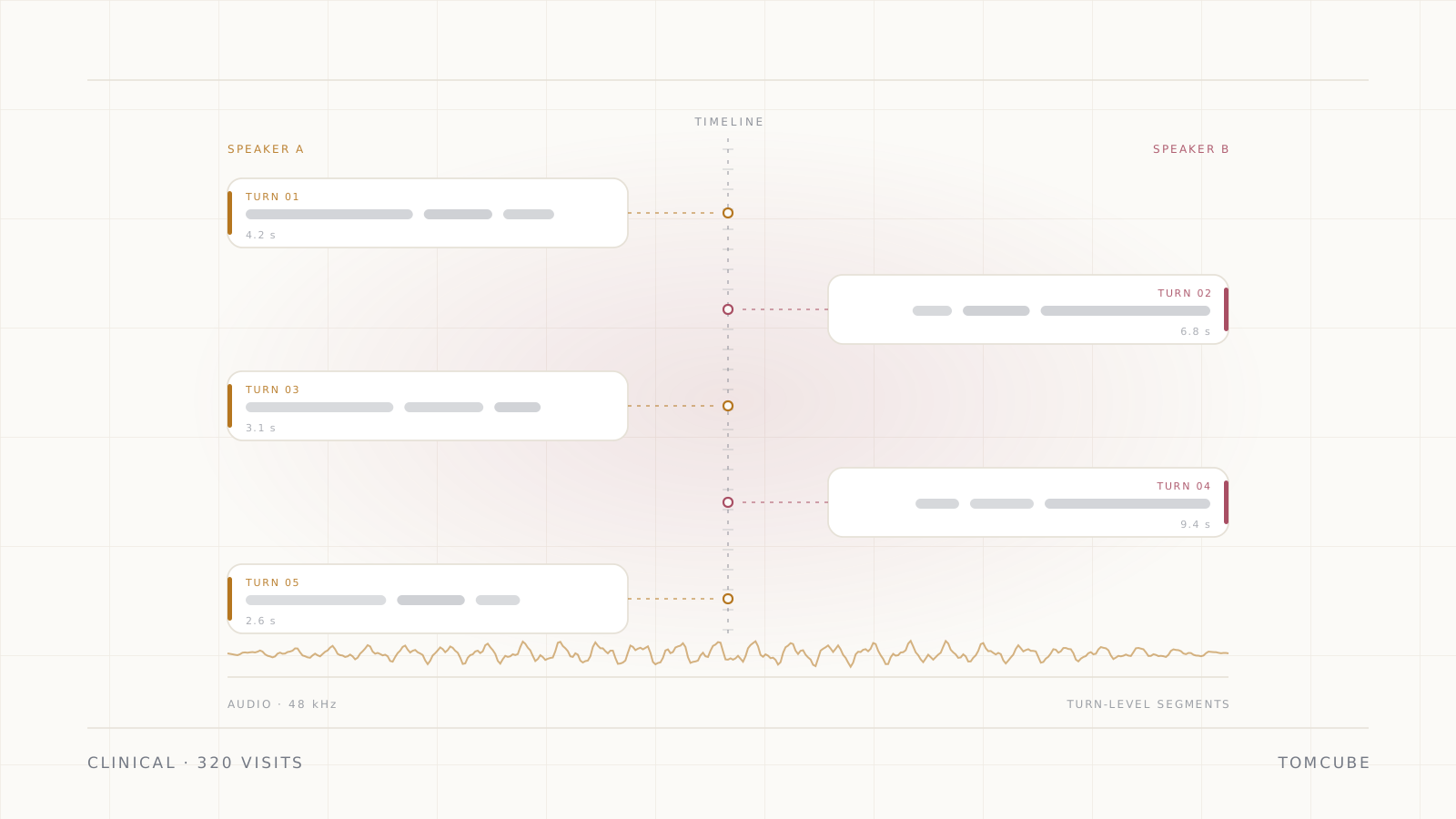
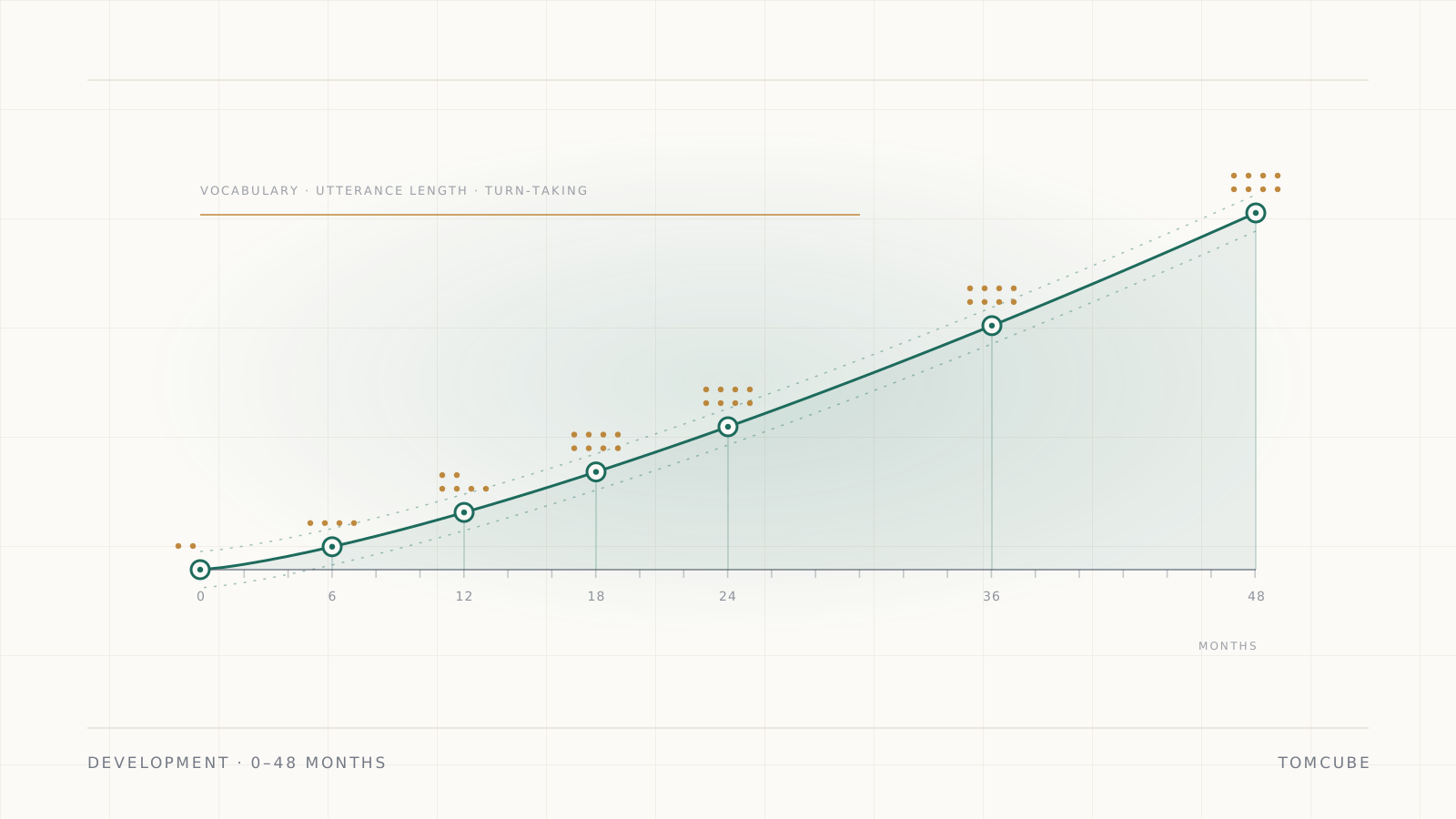
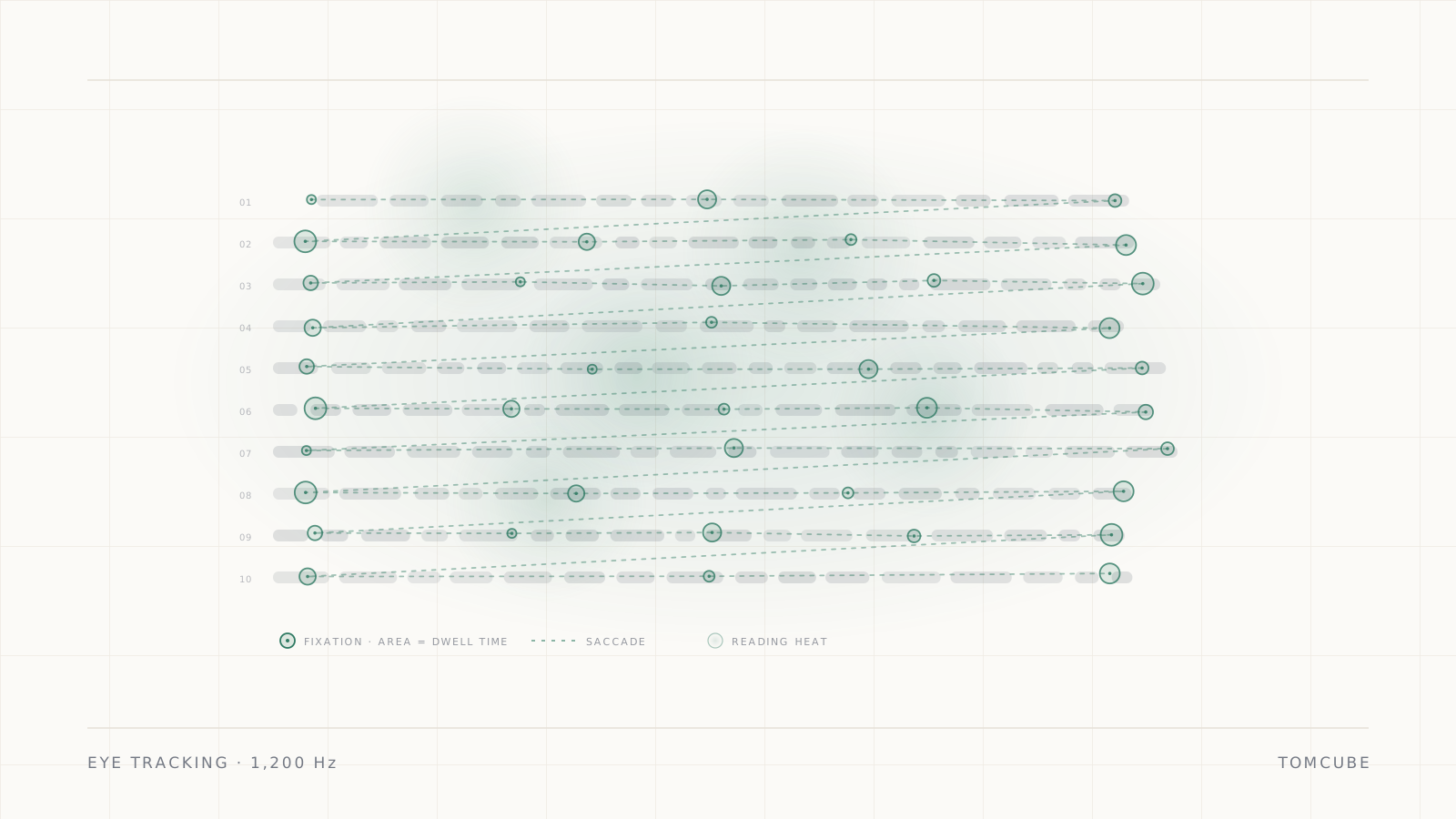
Public entries in the data catalog, useful as references for specifications, annotation and delivery formats.
Start a project
Make the licensing chain auditable
Compliance is cheapest at the design stage. Tell us the data subjects, settings and intended use, and we will map a feasible ethics and licensing path.
Reply within one business day · NDA and data licensing supported · Dedicated academic track