SOLUTIONS · Education and publishing
Education and publishing
Multimodal classroom corpora, learning-outcome data and reusable evaluation tasks for classroom teaching, language learning and textbook publishing.
Audience
Schools / teaching research / edtech
- Related services
- 3 modules
- Related data
- 3 directions
- Classroom data captured together
- 3 types
- Median annotator agreement
- 0.91
- From plan to first delivery
- 12 weeks
- Batch QA pass rate
- 98.7%
01 / Challenges
Education and publishing: the data problems we see
These problems rarely come from a single stage. They sit in the gaps between design, collection, annotation and verification.
Compliance for minors
Classroom audio and video involve student and parent authorization, and withdrawal, retention and use scope need clear, executable processes.
Capture that disturbs teaching
A poorly placed device, camera or cable changes classroom behavior, distorts the data and is hard for schools to accept.
Outcomes that resist measurement
Interaction, attention and learning results sit in different tools, with no shared analysis criteria to connect them.
Audio and text drift apart
After repeated revisions to voiceover, annotation and manuscript versions, errors cannot be traced to a specific line.
02 / Approach
How we move forward
Every project follows the same order: write the question and specification clearly, then move into collection, annotation and verification.
- 01
Campus collaboration process
Agree notification, consent and withdrawal mechanisms with the school and teaching research group, then complete ethics and school approval before entering campus.
- 02
Low-disturbance capture design
Reduce device count and cabling, record in segments aligned to teaching phases, and leave the original rhythm of the lesson intact.
- 03
Learning metrics alignment
Define classroom interaction and learning outcome metrics first, then decide what to collect and at which coding level.
- 04
Textbook-grade verbatim proofing
Align audio, text and annotation in three directions, and deliver a proofed manuscript and issue list ready for production.
03 / Delivery
What you will receive
- Classroom multimodal corpora with teaching behavior coding
- Linked data on learning outcomes and classroom interaction
- Verbatim, line-level aligned proofing of textbook audio and text
- Reusable evaluation tasks across grade levels
Compliance comes first on campus
Classroom data involves minors, so compliance requirements are higher than for a general corpus project. We set up notification and consent processes with the school and teaching research group, make clear that parents can withdraw at any time, and define image use scope, storage location and destruction dates in the collection plan. Ethics and school approval are completed before entering campus, and capture never changes normal teaching order. Records of who consented, for which purpose, and until when are kept with the corpus, so a later audit can answer the question without re-contacting families.
What to collect in a classroom
A classroom is the densest multimodal research setting there is: teacher explanation, student responses, whiteboard writing, slides, facial expression and body movement all happen at once. We segment the timeline by teaching phase, align audio, video, slides and eye-tracking data, then code teaching behaviors such as questioning, answering and feedback. Low disturbance is a hard constraint: device count, camera positions and cabling all have to fit around the lesson. Camera positions are chosen to see the front of the room and the student seating while avoiding close-ups of individual faces where approval does not cover them.
From classroom data to teaching evidence
Data alone is not teaching evidence; metrics are. We define classroom interaction metrics with the research team, for example teacher talk ratio, wait time and the distribution of student turns, then link those metrics to achievement or questionnaire results. We also document which metrics were defined before collection and which were added later, since that distinction matters when interpreting the results. For language-learning projects we also record the learner’s first language and proficiency band, since both shape pronunciation and interaction metrics.
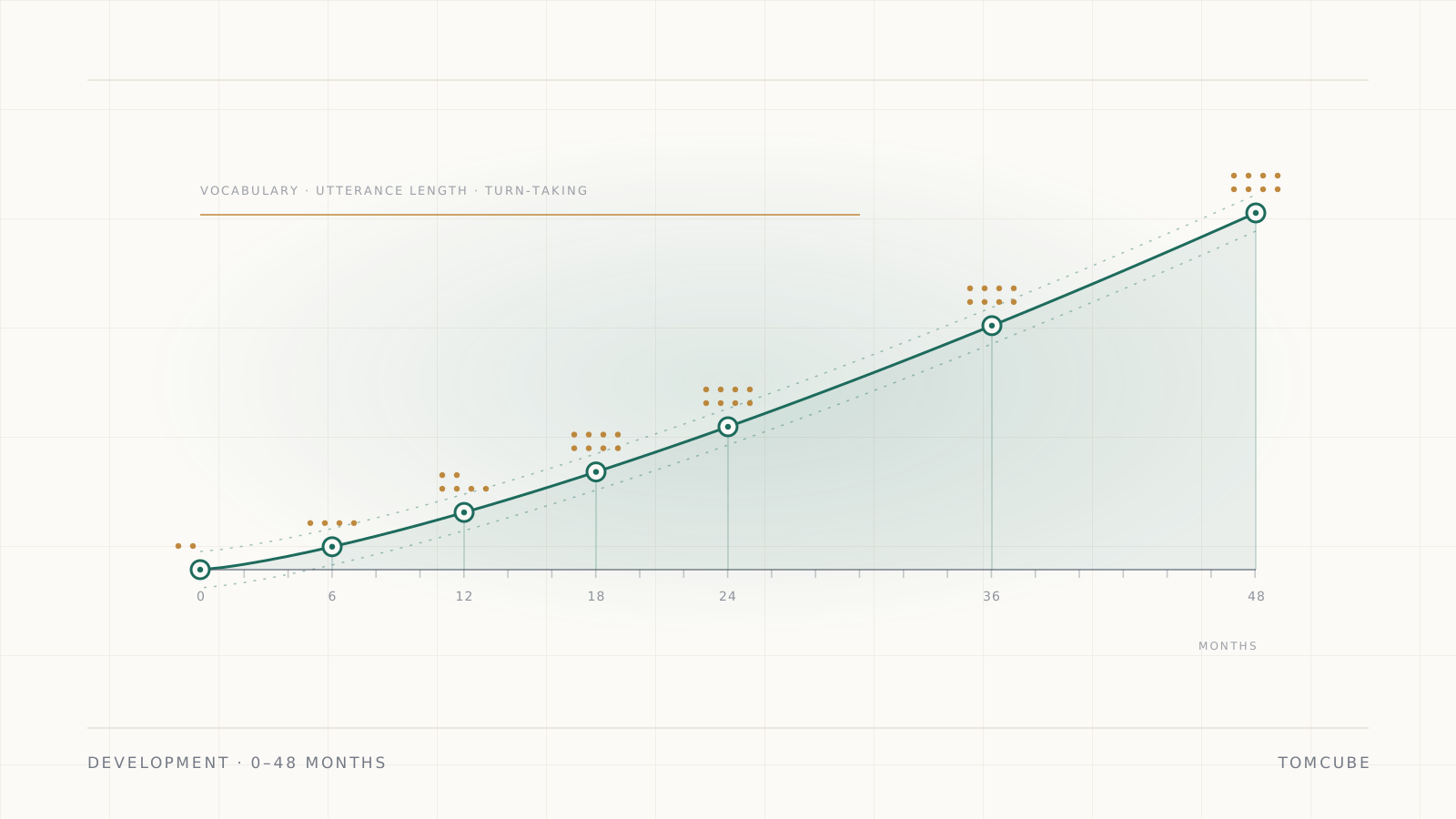
Textbook and publishing projects focus on verbatim audio-text alignment, pronunciation standards and read-aloud quality, delivering a proofed manuscript and audio batches that go straight into production. For child language development research we also stratify by age band and language background, so samples do not cluster in a single school or region. For edtech teams, classroom corpora can be turned into model evaluation tasks, such as classroom recognition under far-field and overlapping speech, or pronunciation error categories for student reading assessment. Evaluation criteria and licensing scope are written into the delivery notes.
04 / Cases
Illustrative cases
The cases below come from de-identified project settings and are used only to show how we collaborate and what delivery looks like.
Primary school teaching research
IllustrativeCompleted multimodal capture of 36 lessons for a primary school, with unified coding of questioning, answering and feedback behaviors.
36 lessons
Textbook audio proofing
IllustrativeCompleted verbatim alignment and proofing of audio and text for 12 textbook volumes for an education publisher, delivering a revision list.
12 volumes
05 / Related capabilities
Services and data that go with it
A solution is usually delivered as a combination of services; related datasets can support evaluation, annotation or method verification directly.
Related datasets
Data catalog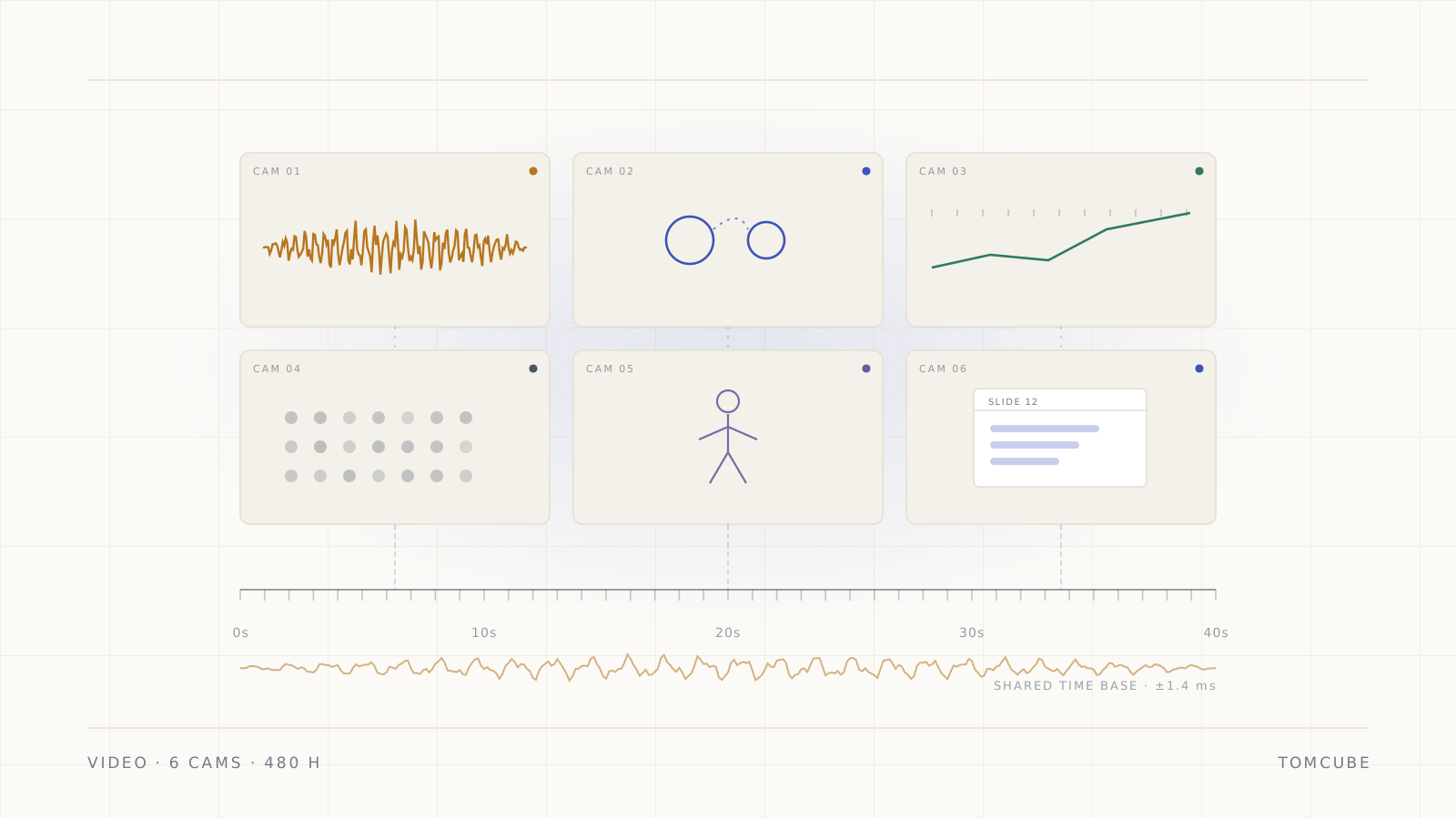
06 / FAQ
Common questions
Frequent questions about timeline, licensing and how we collaborate.
Schools worry capture will disturb teaching. How is that handled?
We use low-disturbance devices and fixed camera positions, rehearse the setup before entering campus, and let the school stop recording at any time.
What if parents do not consent?
Students without authorization are excluded from the frame and audio track, or their position is masked and muted, and this is recorded in the metadata.
Can you deliver in batches by textbook edition?
Yes. Split by volume or chapter, with audio, proofed text and issue list per batch, so production can run in parallel.
Can classroom data be used in an edtech product?
That requires separate authorization. We distinguish teaching research, product evaluation and commercial use, and sign separate agreements for each.
Start a project
Start with a data check-up
Tell us the question you need to answer, the data you already have and your time constraints. We will come back with an executable plan outline and budget range.
Reply within one business day · NDA and data licensing supported · Dedicated academic track